Virtual Reality For Privilege Awareness
A research study on a product advancing the ability to educate on privilege and cultural awareness with immersive experiences. Visit the product page.
Duration
Role
Partner
Product
7 weeks, September 2021 - Nov 2021
Lead Researcher
Rem5ForGood, a virtual reality startup in Minneapolis, Minnesota
Steps of Privilege (SoP), VR application
Scope
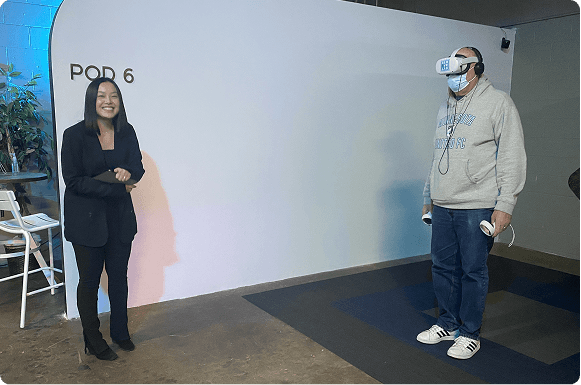
In collaboration with startup, REM5ForGood, this project focused on testing newly developed virtual reality experience, Steps of Privilege (SOP) that aimed to deepen awareness of privilege, cultural competency, and promote prosocial behavior.
In Scope
Develop research study to test the efficacy of the product, Steps of Privilege
Analyze findings and report key insights
Out of Scope
Design or next step recommendations
In-depth usability testing
Strategy
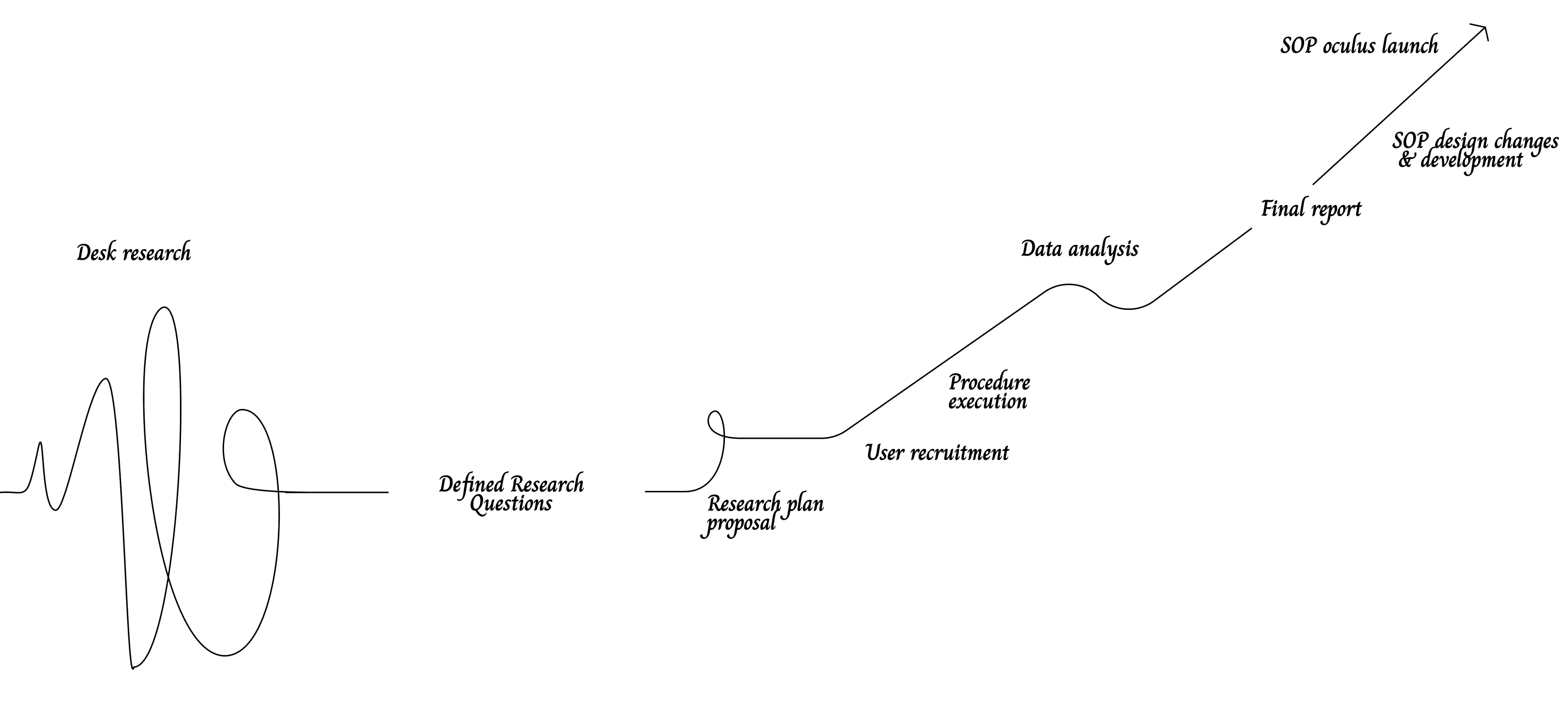
Outline of project phases
1
Desk Research: Expand understanding of the problem space and what others might already be doing
2
Study Design: Defined success measurements and participant procedures
3
Analysis: Outcomes, learnings, reflections
Desk Research
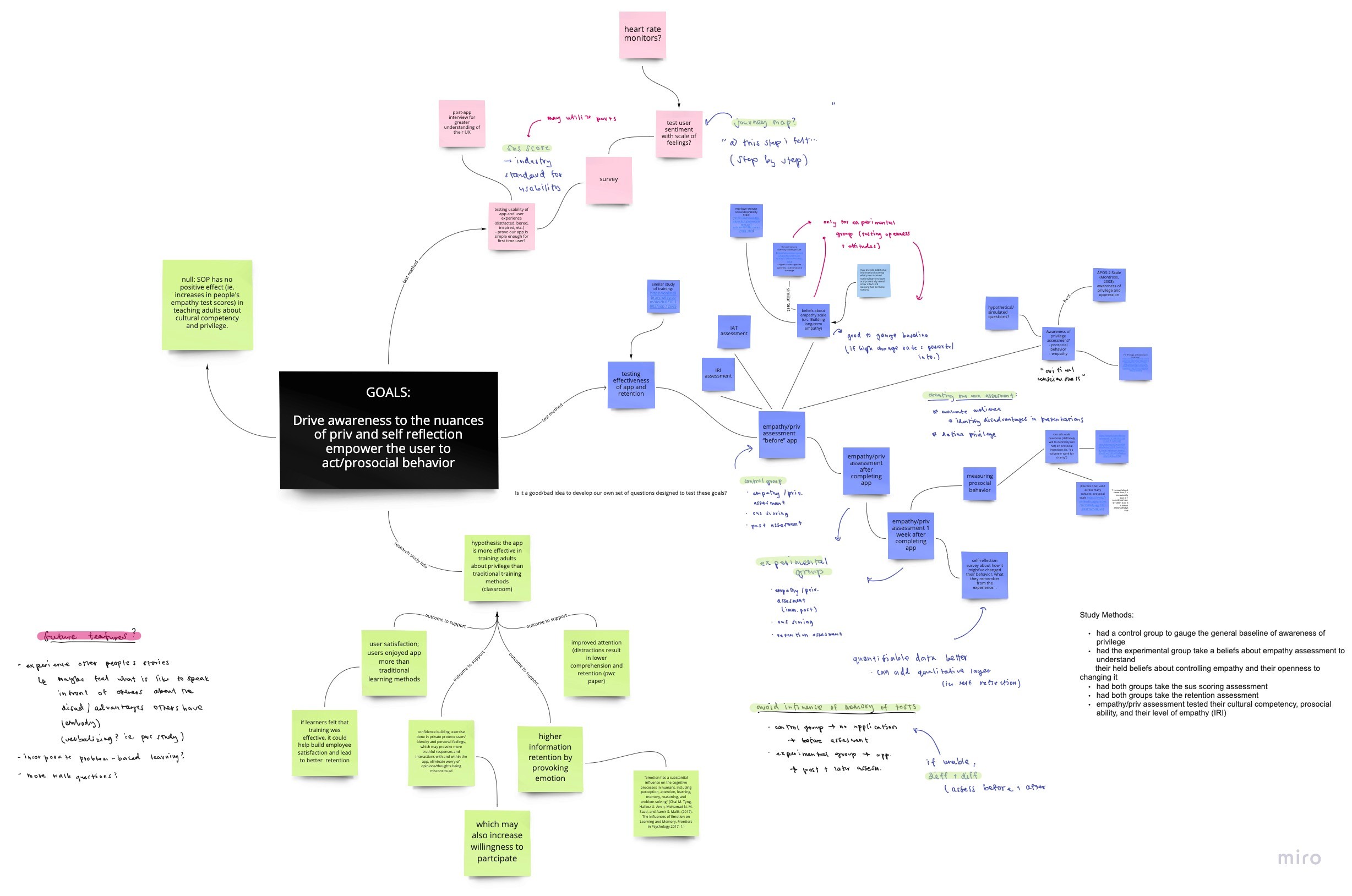
I explored white papers and similar studies for guidance. I discovered wonderful and inspiring work from schools, teams, and research labs using VR to teach complex topics.
Figure 1. Mind map of insights and ideas to approach the task.
Research Questions & Measurable Outcomes
I identified main research questions and identified measurement methods used in prior studies to address similar topics.
Was SOP useful as a learning experience?
Key performance indicators:
a) Retention rates
b) Emotional impact
c) Engagement and interactivityWas SOP successful in teaching about privilege?
Key performance indicators defined by Platt (2013) on teaching privilege:
a) increasing awareness and knowledge of privilege
b) increasing empathy and compassion for those who do not possess privilege
c) promoting action for initiating societal change.
I adapted questionnaires to measure retention, emotional impact, engagement, awareness of privilege, beliefs about empathy, and prosocial behavior from previous studies.
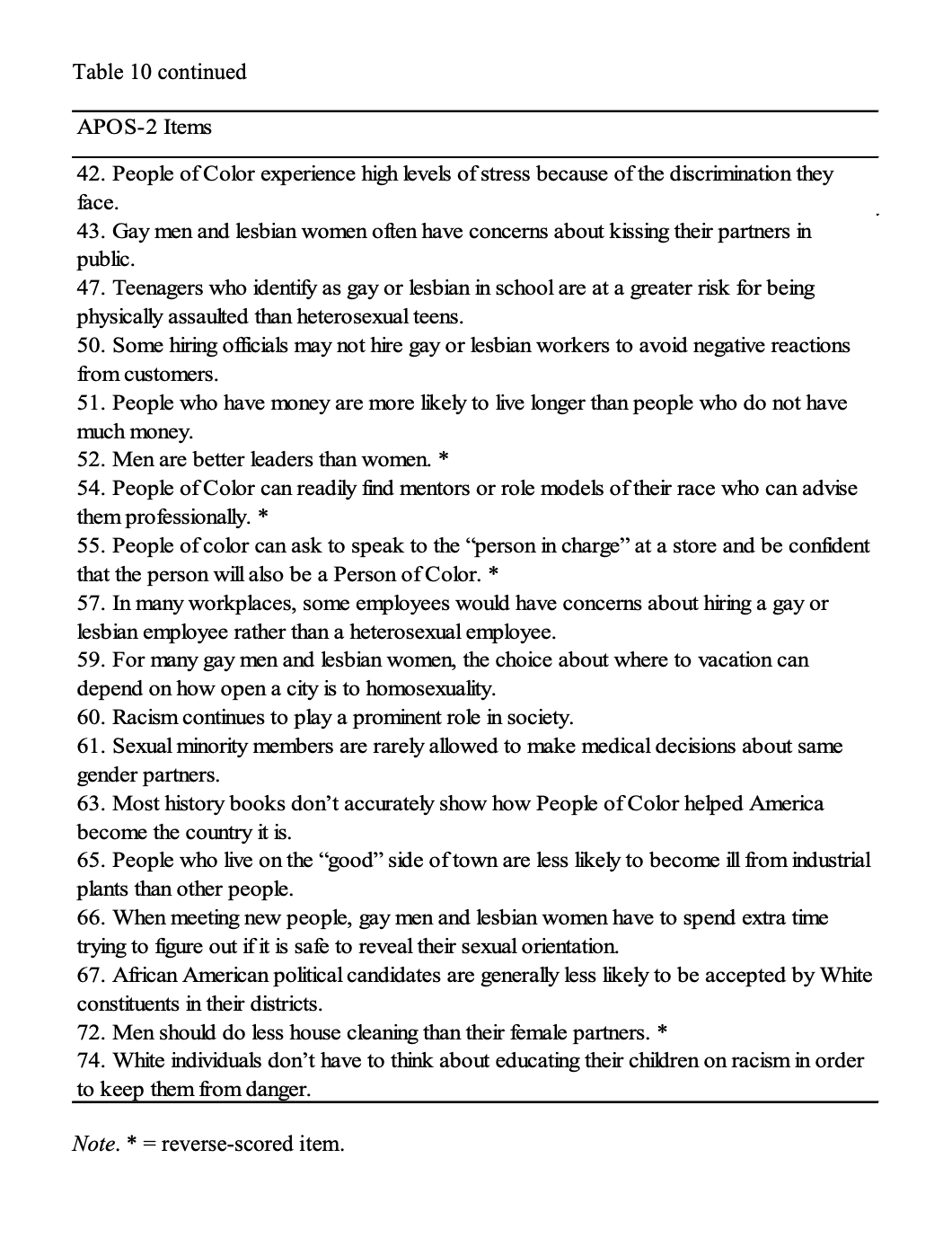
Figure 2. Excerpt from the Awareness of Privilege and Oppression Scale Assessment from University of Kentucky that was adopted into the SOP study. https://uknowledge.uky.edu/cgi/viewcontent.cgi?article=1018&context=edp_etds
Study Design
Participants
Individuals ages 21–60 from the Minneapolis–St. Paul area were recruited. Participants received a $25 Amazon gift card for completing both the on-site session and the one-week follow-up. Thirty-five of forty-four participants completed the full study.
Study Procedure
In this mixed design, participants were randomly assigned to two groups. Group 1 completed a different pre-assessment than Group 2. Both groups rated the system’s usability, and Group 1 completed an additional post-assessment—the Self-Reflective Questionnaire. One week after the VR session, both groups received via email a follow-up post-assessment.
Questionnaires included demographics items and measures from the University of Kentucky’s Awareness of Privilege and Oppression Assessment, the Cultural Competency Assessment (Greater Vancouver Island Multicultural Society), the Interpersonal Reactivity Index (IRI), the Beliefs About Empathy Scale (Stanford’s Virtual Human Interaction Lab), and a system usability score.
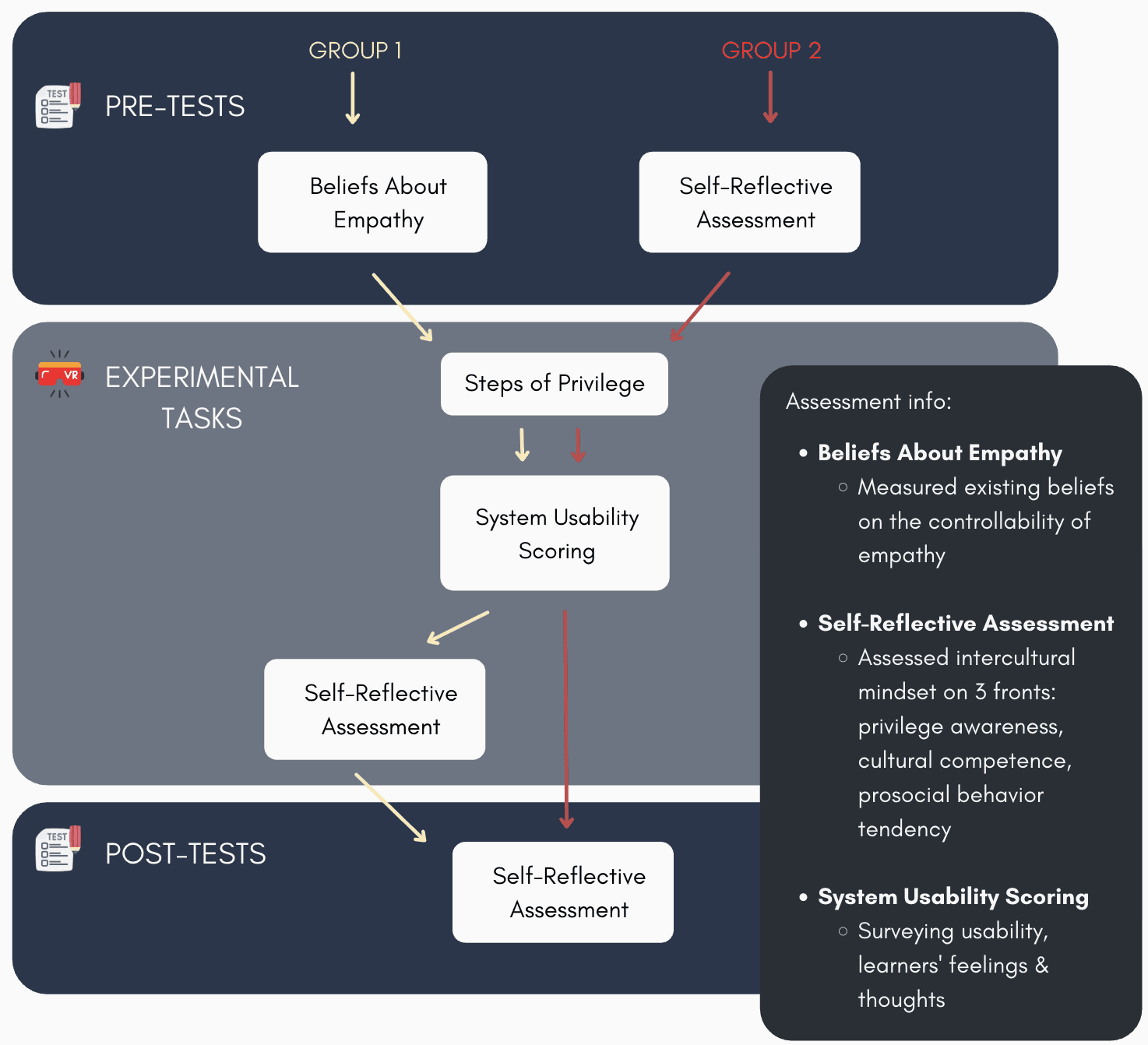
Figure 3. Study design and procedure map.
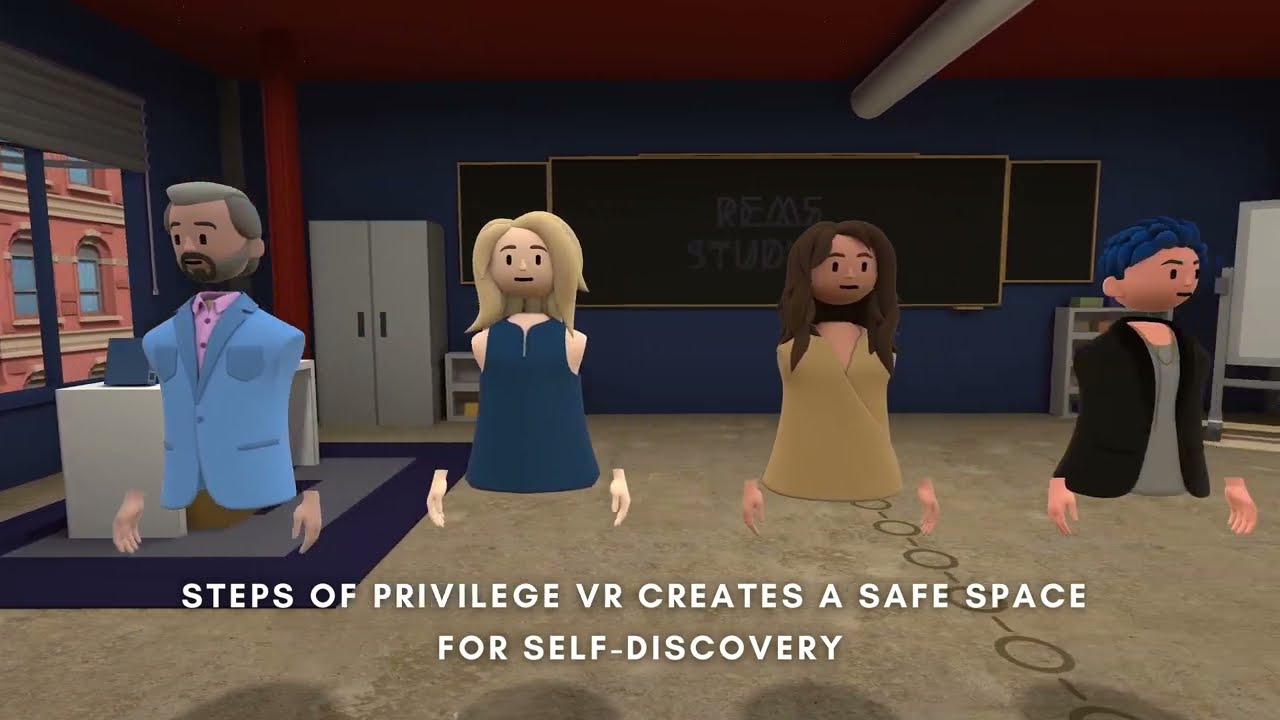
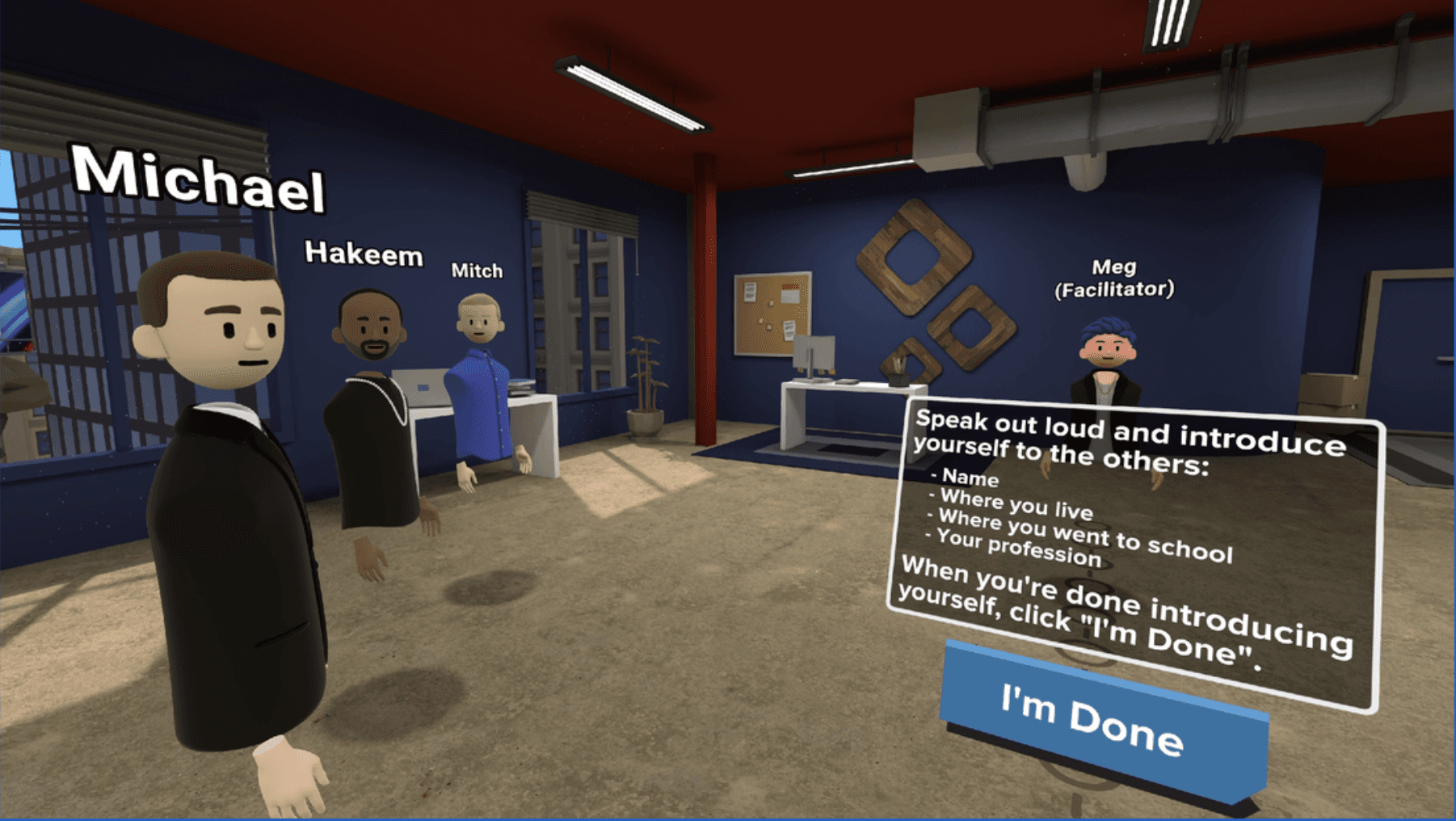
Figure 4. A screen capture from the Steps of Privilege Program itself.
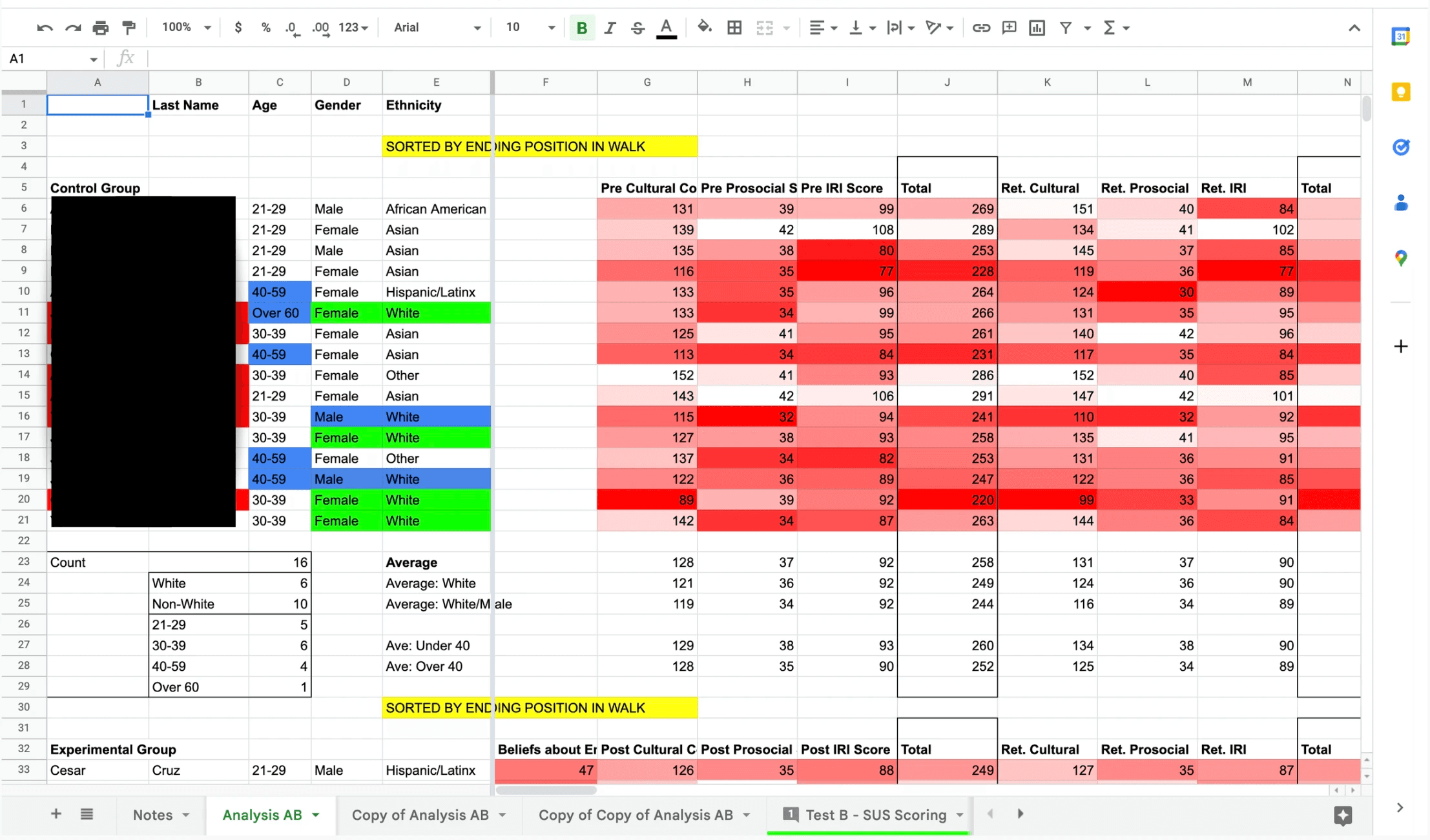
Figure 5. Peak into our data analysis approach. Averaging test scores and comparing before and after Steps of Privilege.
Outcomes
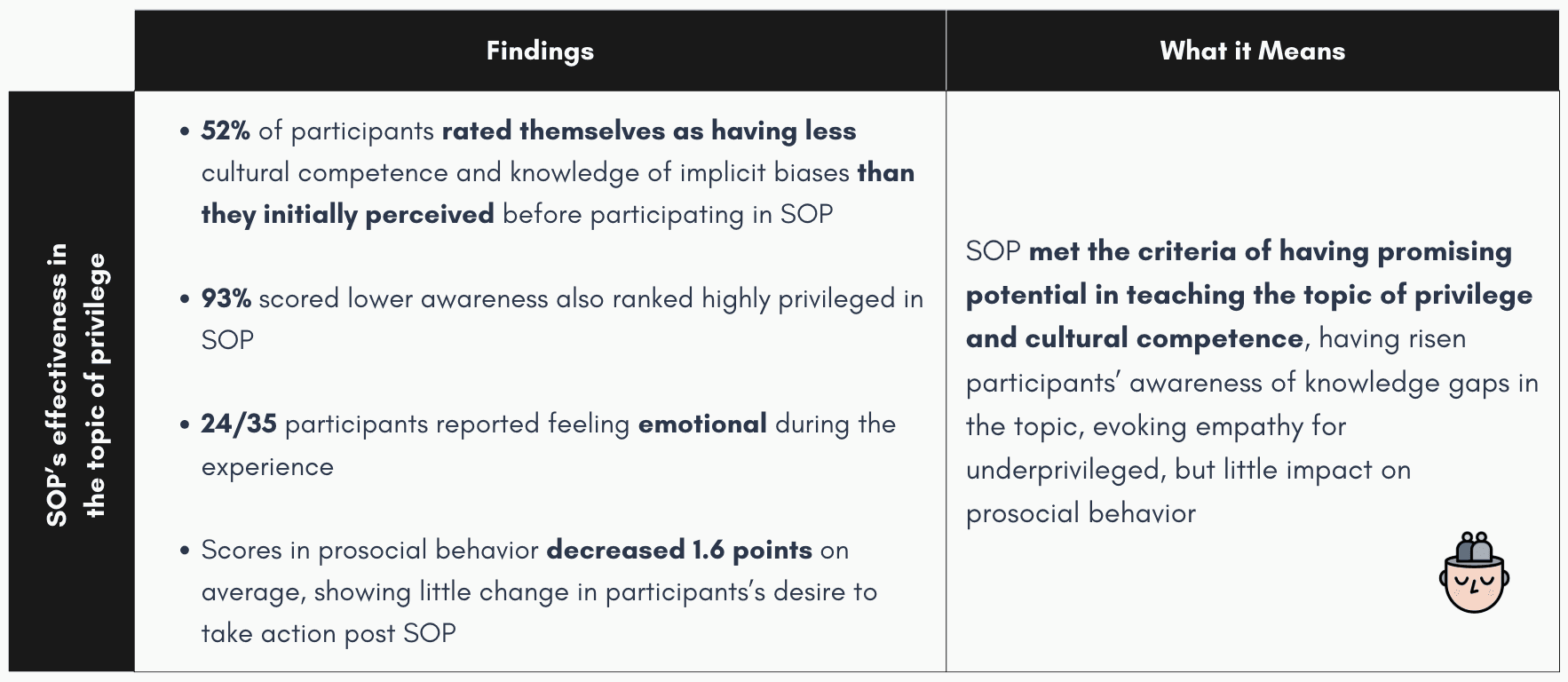
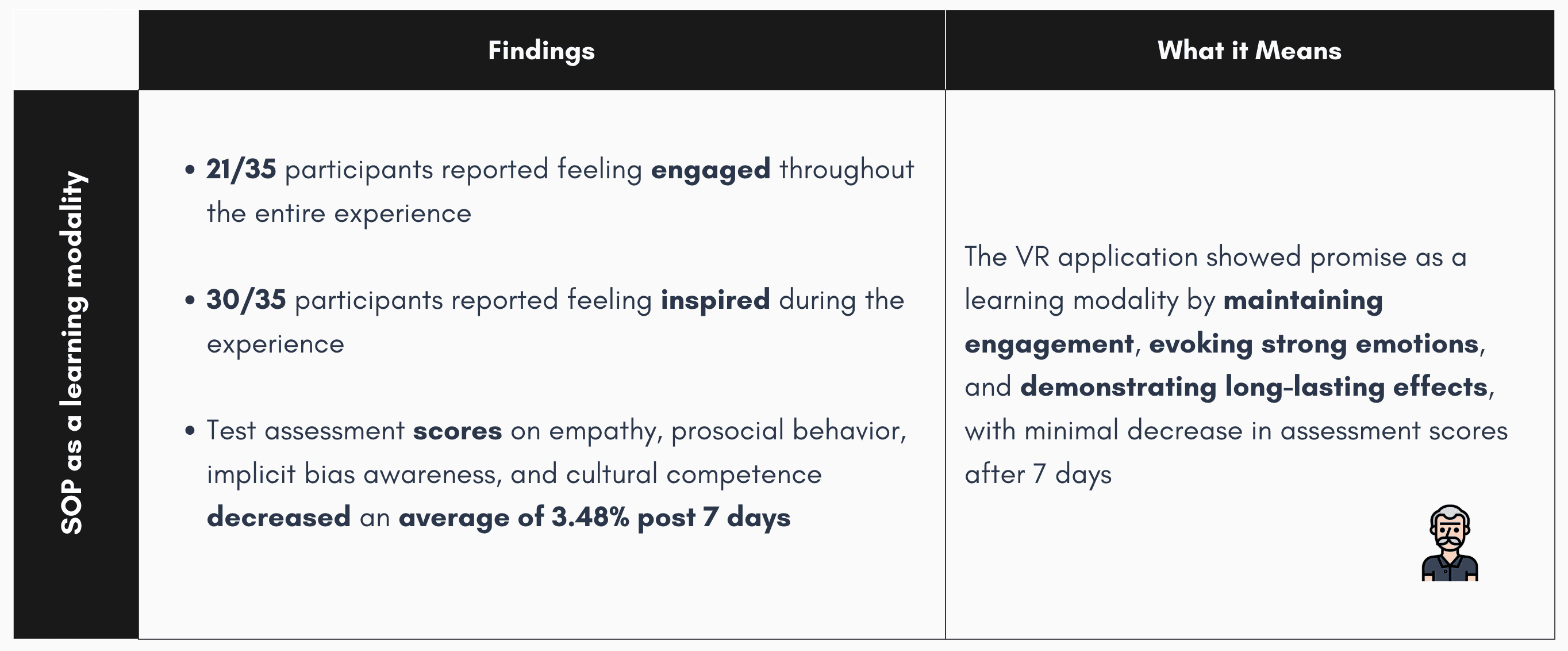
SOP was launched in the Oculus Store a few months later
My work was most impactful in providing valuable data to market the product and attracting interested partners such as K-12 schools and university students
SOP was nominated for "Best XR for Change" award at the Games for Change awards, 2022
Mentioned in VRScout, INSIDE.COM, and Tom Fiske from Immersive Wire
Learnings
Powerful insights can be extracted from every experience, failure or success, failure even more-so. In hind-sight I appreciate the type of insight I was looking for, but later learning how the data was used, I would have approached it differently. I would have leaned into getting user's thoughts about the experience to capture quotes of their interest, or I might've asked open-ended questions to get thoughts on where else the user saw SOP being more effective.
The dangers and implications of one research procedure with too many research questions. It was a long task protocol for the participants as we tried to insert procedures for each of our questions.
I discovered a great sense of purpose, drive, and joy in working to accomplish REM5ForGood's mission to use VR for good!